
Shyamji Krishna Varma, a luminary in the annals of Indian nationalism, remains a beacon of inspiration for generations to come. His life, marked by unwavering commitment and relentless struggle, epitomizes the spirit of resilience and dedication in the fight against colonial oppression.
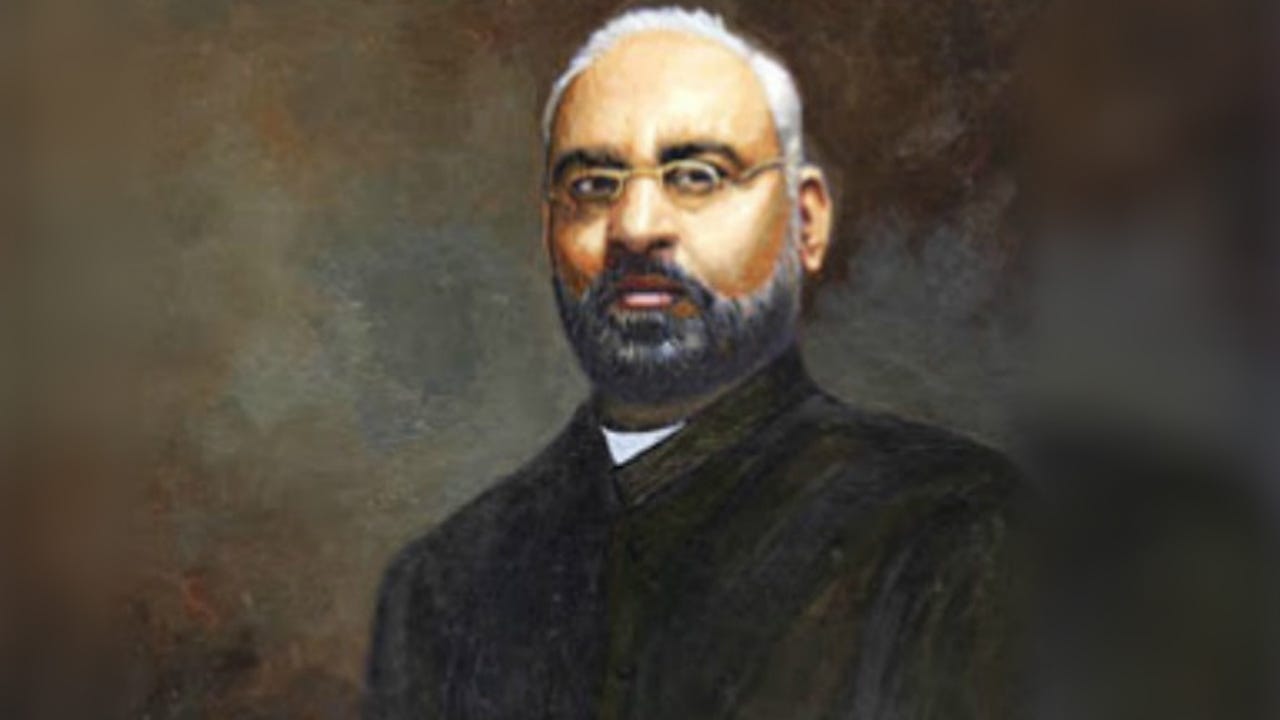
This article explores the early life, career, activities, struggle, principles, beliefs, works, and achievements of Shyamji Krishna Varma, shedding light on his profound contributions to India's freedom movement.
Early Life
Shyamji Krishna Varma was born on October 4, 1857, in Mandvi, Kutch, in present-day Gujarat, India. From a young age, Varma exhibited exceptional intellect and a voracious appetite for learning. His early education took place in his hometown, where he excelled academically and demonstrated a keen interest in literature, history, and politics.
Varma's upbringing was deeply influenced by the socio-political currents of the time. Growing up in colonial India, he witnessed firsthand the injustices perpetrated by British rule and the degradation of Indian society. These experiences ignited a passion for social reform and ignited the flames of nationalism within him.
Career and Activities
Varma's career as a nationalist leader and social reformer began to take shape during his years as a student at the Elphinstone College in Bombay (now Mumbai). Inspired by the ideals of Swami Vivekananda and Bankim Chandra Chattopadhyay, Varma became actively involved in the Indian nationalist movement, advocating for greater political autonomy and social justice.
In 1886, Varma founded the Indian Home Rule Society in London, with the aim of promoting Indian independence and challenging British colonialism. The society served as a platform for Indian students and expatriates living in England to voice their grievances against British rule and to mobilize support for the cause of Indian nationalism.
Struggle Against Colonial Rule
Varma's defiance of British colonial rule reached its zenith with the publication of his influential newspaper, The Indian Sociologist, in 1905. Through his writings and editorials, Varma exposed the atrocities committed by the British Raj and called for a united struggle against colonial oppression. His newspaper served as a rallying cry for Indians both at home and abroad, inspiring a new generation of nationalists to join the fight for independence.
In 1909, Varma's outspoken criticism of British rule led to his expulsion from England and forced him into exile in Switzerland. Undeterred by his exile, Varma continued to advocate for Indian independence and to mobilize support for the nationalist cause. He established the India House in London, which served as a hub for Indian students and activists seeking refuge from British persecution.
Principles and Beliefs
At the core of Varma's revolutionary fervor lay a set of deeply held principles and beliefs. He firmly believed in the inherent dignity and sovereignty of the Indian people and rejected the legitimacy of British colonial rule. Varma advocated for the establishment of a democratic and secular India, where every citizen would have equal rights and opportunities.
Varma's vision of nationalism was inclusive and pluralistic, encompassing the aspirations of all sections of Indian society. He sought to unite people across caste, creed, and religion in the common struggle for freedom and justice. Varma's commitment to social equality and human rights distinguished him as a leader who championed the rights of the marginalized and oppressed.
Works and Achievements
Varma's legacy as a freedom fighter and nationalist leader is immortalized in the annals of Indian history. His pioneering efforts in the realm of Indian nationalism laid the groundwork for the country's eventual independence. Varma's tireless advocacy and activism inspired countless Indians to join the struggle against British rule and to fight for their rights.
One of Varma's most significant achievements was his role in galvanizing support for Indian independence among the diaspora community in England. Through his leadership of the India House and The Indian Sociologist, Varma mobilized Indian students and activists living abroad to join the nationalist movement and to contribute to the cause of Indian independence.
Legacy and Commemoration
Shyamji Krishna Varma's legacy as a freedom fighter and nationalist leader continues to inspire and resonate with people across India. His life and achievements are commemorated through statues, memorials, and public institutions that bear his name. Every year, on the anniversary of his birth and death, tributes are paid to Varma across the country, honoring his memory and legacy.
In Gujarat, Varma is revered as a hero and a symbol of resistance against colonial oppression. Numerous streets, parks, and educational institutions are named after him, ensuring that his memory lives on for future generations. Varma's life and achievements are also celebrated in literature, music, and the arts, ensuring that his story is passed down to posterity.
Conclusion
Shyamji Krishna Varma's life is a testament to the power of courage, resilience, and sacrifice in the pursuit of freedom. From his humble beginnings in a small town to his pioneering efforts in the fight against colonialism, Varma's journey embodies the spirit of resistance and defiance that defined the Indian nationalist movement.
As we reflect on Varma's remarkable life and achievements, we are reminded of the enduring legacy of those who dared to challenge oppression and fight for justice. His story serves as a beacon of hope and inspiration for all those who continue to strive for a better and more just world.
In honoring Varma's memory, we pay tribute to the countless unsung heroes who have sacrificed their lives for the cause of freedom. Their courage and sacrifice will forever inspire us to stand up against injustice and oppression and to continue the struggle for a world where all individuals can live with dignity and freedom.